 By Leo
The Ultimate Packing List: A Complete Guide for Stress-Free Travel
Planning a trip is exciting, but packing for it can quickly become overwhelming if you don’t have a clear strategy. Whether you’re heading on a short getaway, a long international vacation, or a beach escape, having a well-structured packing plan ensures that you travel comfortably without overpacking or forgetting essentials.
This ultimate packing guide will help you organize everything efficiently, choose the right items for your trip, and pack like a pro so you can focus on enjoying your journey instead of worrying about what you left behind.
Why a Smart Packing Strategy Matters
Packing is more than just putting items into a suitcase. It is about planning, prioritizing, and preparing for different situations. A smart packing strategy helps you save time, reduce stress, avoid unnecessary baggage fees, and stay organized throughout your trip.
When you pack thoughtfully, you also gain flexibility during your travels. You won’t feel weighed down by unnecessary items, and you’ll always know where everything is when you need it.
Understanding Your Trip Before You Pack
Before you start packing, it’s essential to analyze your trip carefully. The three most important factors to consider are the length of your trip, the weather conditions, and the activities you plan to do.
Trip duration determines how many outfits and essentials you need. A short trip usually requires only the basics, while a longer journey requires more planning and possibly laundry solutions.
Weather plays a crucial role in deciding what to bring. Always check the forecast in advance so you don’t end up packing winter clothes for a tropical destination or light clothing for a cold region.
Activities also influence your packing list. If your itinerary includes hiking, beach time, formal dinners, or city exploration, you’ll need specific outfits and gear for each situation.
Choosing Between Carry-On and Checked Luggage
One of the first decisions you need to make is whether to travel with a carry-on bag or check your luggage.
Traveling with a carry-on is often the best option for short trips because it saves time at the airport, reduces the risk of lost luggage, and encourages minimalist packing. It is especially useful if you have connecting flights since each layover increases the chances of baggage mishandling.
Checked luggage, on the other hand, is more suitable for longer trips or when you need to carry bulky items. It provides more space but requires careful planning to avoid overpacking.
Packing Clothes the Smart Way
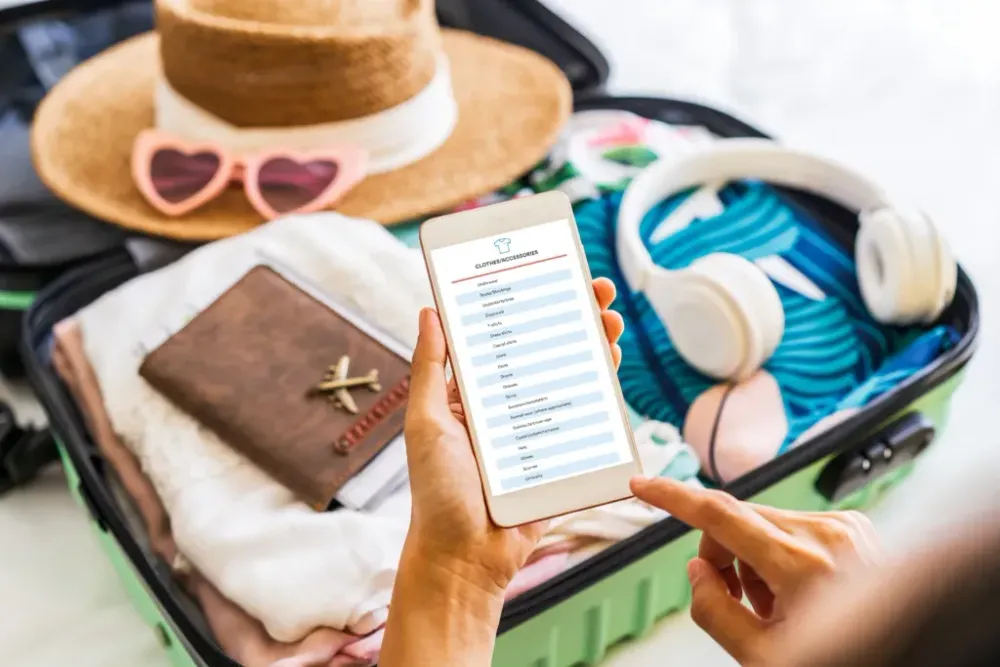
Clothing usually takes up the most space in your luggage, so choosing the right pieces is essential. The key is to pack versatile items that can be mixed and matched easily.
Neutral-colored clothing works best because it allows you to create multiple outfits with fewer pieces. Instead of packing different outfits for every day, focus on items that can be reused in different combinations.
For short trips lasting three to five days, you can typically manage with one set of underwear and socks per day, one pair of pajamas, a couple of casual outfits, one or two dressier outfits, and one or two pairs of shoes.
For longer trips, you can still pack efficiently by bringing enough essentials while planning to do laundry if possible. This reduces the need to carry excessive clothing.
Another smart strategy is to invest in multi-functional clothing. Wrinkle-resistant shirts, quick-drying fabrics, lightweight jackets, and comfortable sneakers are ideal for travel. These items not only save space but also improve convenience.
Essential Travel Accessories
Accessories can significantly improve your travel experience by adding convenience and security. Items like a money belt or anti-theft bag help protect your valuables, especially in crowded destinations.
A scarf or sarong is one of the most versatile travel accessories. It can be used as a blanket on flights, a beach cover-up, or an extra layer during cool evenings.
A foldable tote bag is useful for carrying extra items during your trip, while a travel laundry kit allows you to wash clothes when needed.
Packing cubes are highly recommended because they help organize your luggage, separate different categories of items, and maximize space.
Toiletries and Personal Care Essentials
Toiletries are easy to overlook but extremely important. Forgetting essential items like medication or contact lenses can cause serious inconvenience during your trip.
Always pack your daily essentials such as toothbrush, skincare products, and personal hygiene items. If you are traveling with liquids, make sure they comply with airline regulations.
A small travel first-aid kit is also highly recommended. It should include basic items such as bandages, antiseptic cream, pain relievers, hand sanitizer, sunscreen, and insect repellent.
It is important to keep essential toiletries and medications in your carry-on bag rather than checked luggage to ensure easy access.
Tech Essentials for Modern Travel
In today’s digital world, traveling without your tech devices can be frustrating. Your smartphone, laptop, or tablet is essential for navigation, communication, and entertainment.
Chargers and power banks are equally important, as running out of battery while traveling can be inconvenient. If you are traveling internationally, you should also bring a universal adapter.
For those who enjoy photography, additional equipment such as a camera, extra batteries, memory cards, and lens cleaning tools should be included.
A waterproof phone case is especially useful for beach trips or water activities, ensuring your device stays protected.
Important Travel Documents
Travel documents are the most critical items you need to carry. Without them, your trip could be disrupted or even canceled.
Make sure your passport is valid for at least six months and has enough blank pages for stamps. If your destination requires a visa, apply well in advance.
You should also carry travel insurance, flight tickets, and a copy of your itinerary. Keeping both digital and printed copies of important documents is a smart precaution in case of emergencies.
Packing for Different Types of Trips
Each type of trip requires a slightly different packing approach. For beach vacations, you’ll need swimwear, sunscreen, and comfortable footwear. For hiking or adventure trips, sturdy shoes, quick-drying clothes, and a backpack are essential.
Cruise trips often require formal outfits in addition to casual wear, while city trips may require stylish yet comfortable clothing for walking.
Understanding the nature of your trip helps you pack more efficiently and avoid unnecessary items.
Smart Packing Techniques
How you pack your items is just as important as what you pack. Rolling clothes instead of folding them can save space and reduce wrinkles.
Using packing cubes helps keep everything organized and makes it easier to locate items without unpacking your entire suitcase.
Separating clean and dirty clothes using different compartments also keeps your luggage neat throughout the trip.
What to Always Keep in Your Carry-On
Your carry-on bag should contain all essential and valuable items. This includes your identification, wallet, phone, medications, and important documents.
You should also pack a change of clothes in case your luggage is delayed or lost. Snacks, a reusable water bottle, and entertainment items can make your journey more comfortable.
Having everything important within reach ensures that you are prepared for unexpected situations during your flight.
Staying Healthy While Traveling
Health and safety should always be a priority when traveling. Depending on your destination, you may need to bring face masks, vaccination records, or other health-related items.
Hand sanitizer and disinfectant wipes are useful for maintaining hygiene, especially in crowded places like airports and public transport.
Before your trip, check any health regulations or requirements at your destination to avoid last-minute issues.
Unexpected but Useful Items
There are some items that travelers often forget but can be extremely useful. A portable luggage tracker can help you locate your bag if it gets lost.
Duct tape can be used for quick fixes, while a whistle can be helpful in emergency situations. Carrying extra tissues or toilet paper is always a good idea, especially when visiting remote areas.
A decoy wallet can also add an extra layer of security in places known for pickpocketing.
Final Thoughts: Pack Smart, Travel Better
Packing doesn’t have to be complicated. With proper planning and the right strategy, you can travel light, stay organized, and enjoy your journey without unnecessary stress.
The key is to pack with intention, choose versatile items, and always prioritize essentials. By following this ultimate packing list, you will be fully prepared for any type of trip, whether it’s a short escape or a long adventure.
Travel is about experiences, not luggage. Pack smart, travel confidently, and make the most of every journey.